
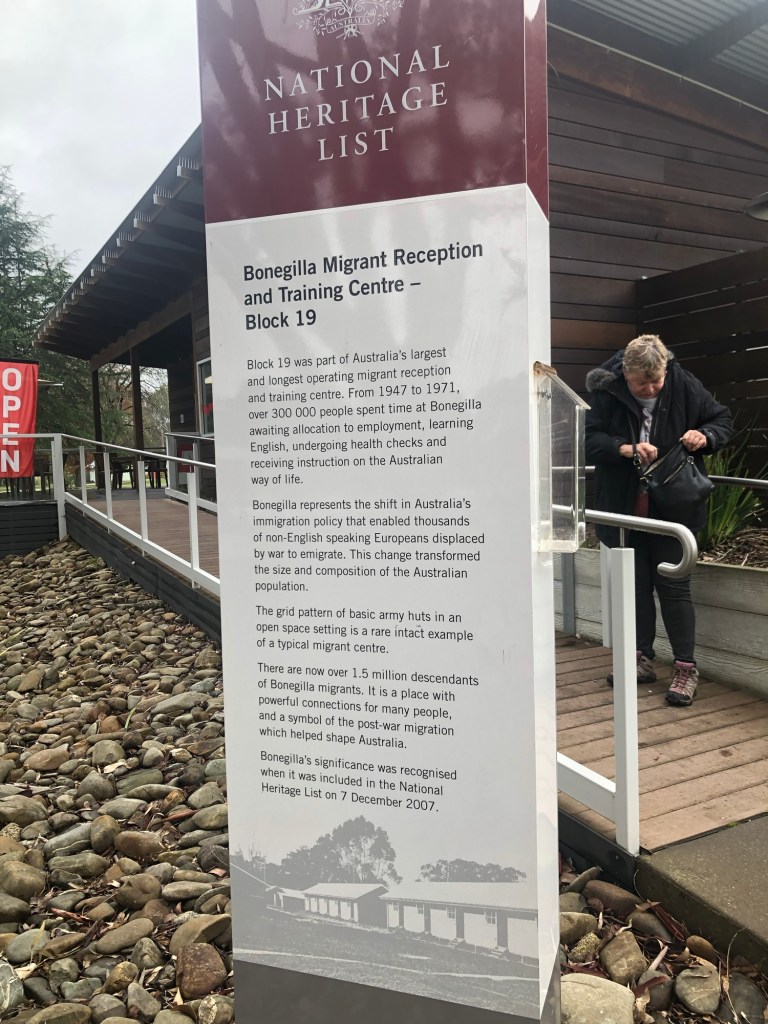
Last year when my bestie Lyn who I started primary school with, visited Albury Wodonga we visited Bonagilla – The Migrant Experience. I drove past this place often at least once a week on our way to the Lake Hume with our dogs. I kept saying one day I will visit. Last year that one day arrived. Back in 2015 I lived in Wodonga – a small street and we found out the whole street were migrants who had all gone through Bonagilla. The house over the road, Italians, our neighbours – Polish, neighbours on the other side of the house – Italians.
So you’re probably asking what is the Bonagilla – The Migrant Experience.
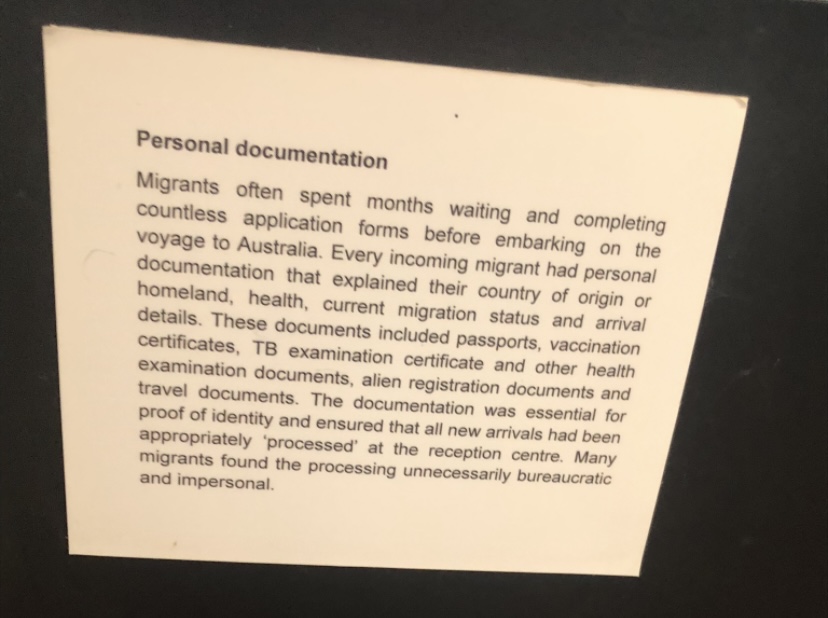
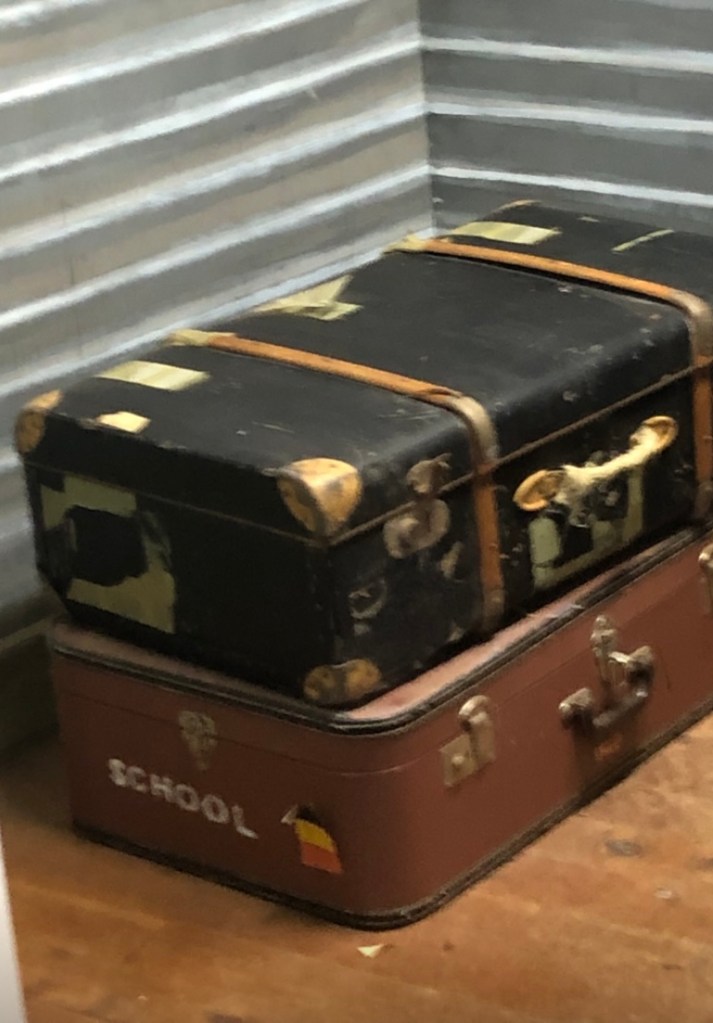
The Bonegilla story began in the years following World War II, when millions of people seeking a new start and peace, departed for Australia. An army camp at Bonegilla was transformed into a migrant reception and training centre where new arrivals lived while they were processed and allocated jobs.
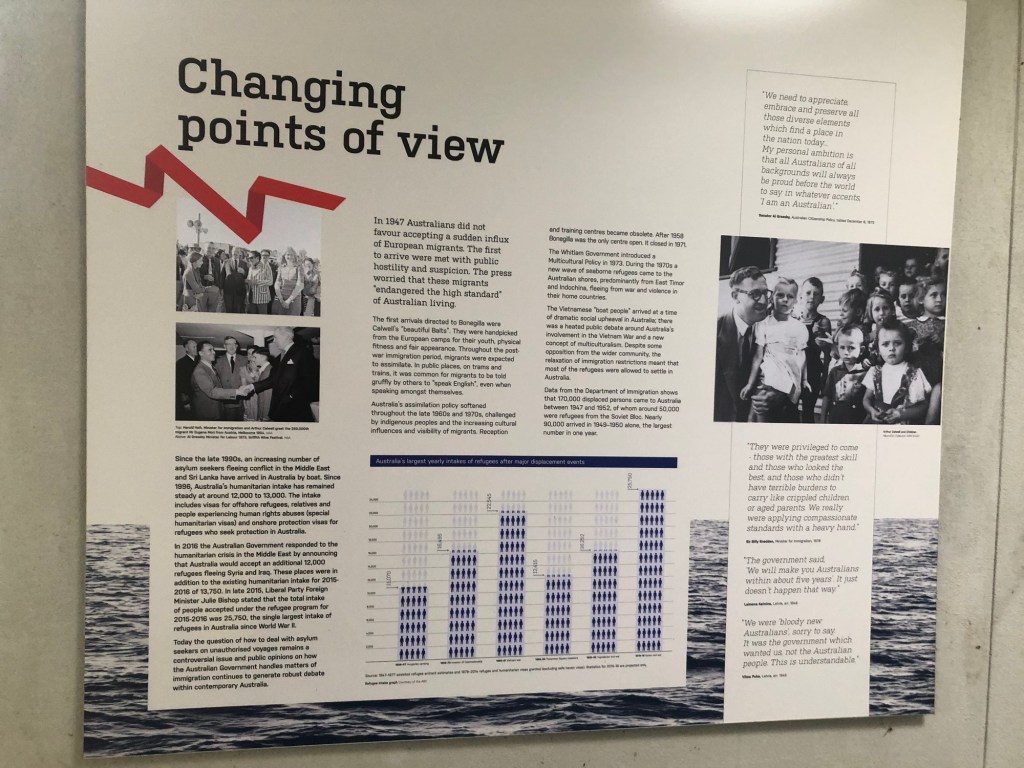
Bonegilla became the largest and longest operating reception centre in the post-war era. More than 300,000 migrants passed through its doors between 1947 and 1971, with most of those originating from non-English speaking European countries. They had diverse arrival and settlement experiences. Many migrants recall arriving lonely and confused, unsure of where they were going and what they would be doing. Others saw Bonegilla as a place of hope, symbolic of a new start.
In 1945 due to a lot of displaced people from concentration camps and many couldnt return home. The Australian government had decided that our population had to grow quickly so they decided to begin the migration mostly Europeans. On the 28th November 1947 the first displaced people arrived. A total of 844 people mostly from Estonians, Latvians and Lithuanians arrived in Melbourne. They were given free passage and help they agreed to work for the governmanet for 2 years.
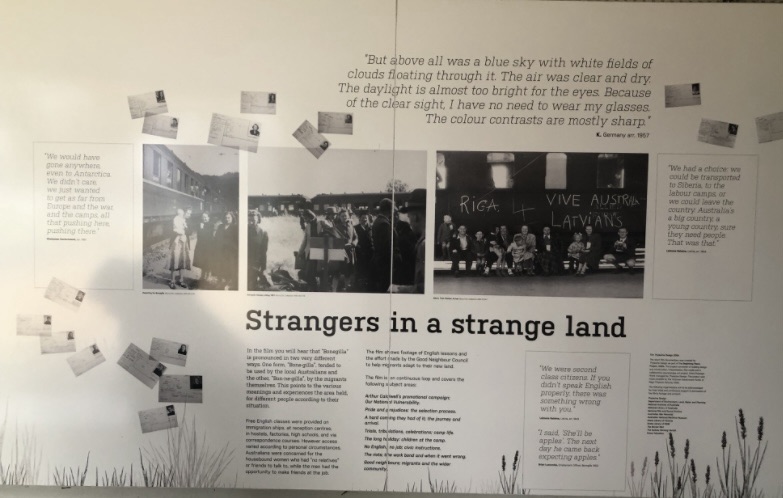
During the 7 years this operated over 171,000 people arrived. When this source of people stopped, the government made arrangements with countries such as Spain, Netherlands, Italy, Austria, Belgium, West Germany, Greece, the United States, Switzerland, Denmark, Norway, Sweden and Finland.
All assisted migrants over the age of 16 had to work.

Australia became multi- cultural.
Bonagilla was made up of 24 blocks. They had their own churches, banks, sporting fields, hosptial, cinema, police station and their own railway station.
Bonegilla became the largest and longest operating reception centre in the post-war era. More than 300,000 migrants passed through its doors between 1947 and 1971, with most of those originating from non-English speaking European countries. They had diverse arrival and settlement experiences. Many migrants recall arriving lonely and confused, unsure of where they were going and what they would be doing. Others saw Bonegilla as a place of hope, symbolic of a new start.
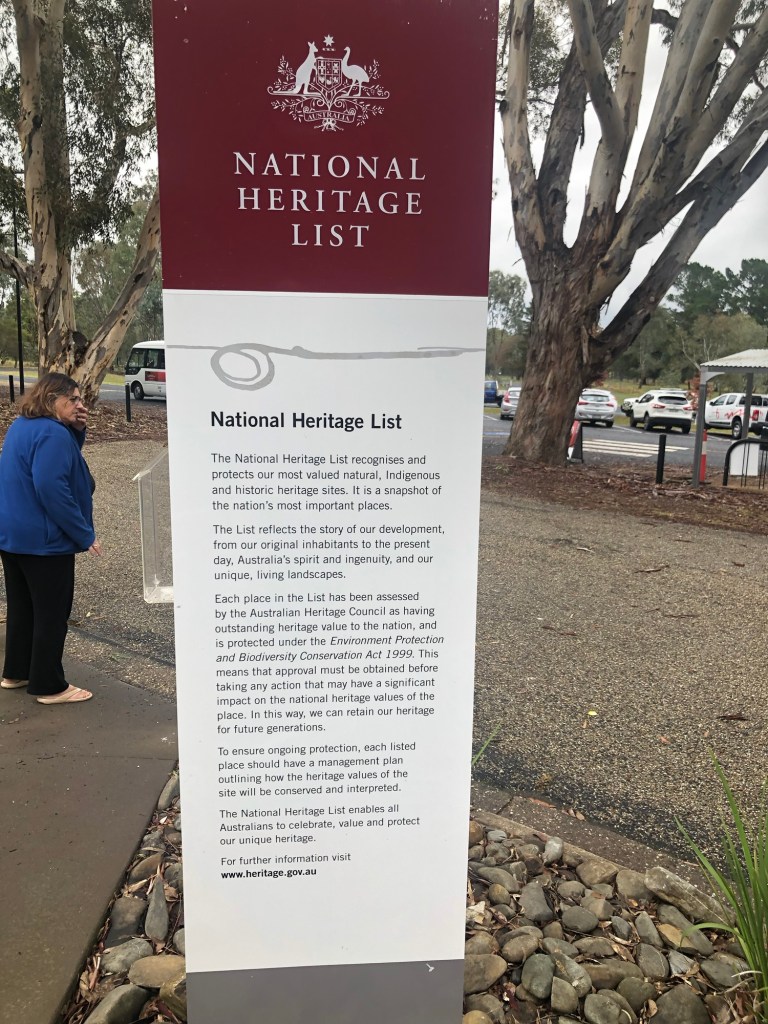
In December 2007 block 19 was recognised as a sigificant part of our history under the National Heritage List.
Its a place of public memory to those who left everything behind to come to what used to be called the Lucky Country.
So if you happen to find yourself in Albury/Wodonga I do recomomend to visit Bonagilla. Bonegilla Migrant Experience is located at 132 Bonegilla Rd, Bonegilla, which is 12km from Wodonga in North East Victoria.
Site open daily from 10am to 4pm
Closed Anzac Day, Good Friday, Christmas Day and days declared Catastrophic days.
Private and group tours available by appointment.
Site admission fees
Adult $6 | Concession $5 | Children 16 years and under free
Site admission fee – multiple visits per year
Adult $12 | Concession $10
You can wander around at your leisure or have a guided tour. Lyn and I chose to wander around ourselves. I throughly recomend visiting the Bongagilla Migrant experience if you are ever in Albury Wondonga area.

 Travel and Lifestyle with Bree
very Interesting
LikeLiked by 1 person
thanks
LikeLike